
SERESGENUS EPHEMERALITY Resources and Rewards Guide
Which resources and rewards exist in SERESGENUS: EPHEMERALITY, where they come from and what they're used for: gathering, crafting, boss drops, Wisps and the Ender Chest.
Quick answer
SERESGENUS: EPHEMERALITY sorts its materials into three broad types: Resources, gathered from the worlds you explore and spent on crafting weapons and gear and on building your base; Wisps, earned from the rewards of each run; and Treasures, stored in the base you build, where you prepare for your next expedition.
- Resources come from each world's terrain and its enemies — punch trees and bushes, defeat enemies, and take down regional bosses for drops of their own.
- You spend resources on weapons and gear, on upgrading the crafting table, on the Ender Chest and on your base.
- Wisps come from every run's rewards, and the Wisp Boost game pass increases the amount you earn.
- One reported rule caps parties: keep parties to four players or fewer — one tips list says runs with more than four players earn no rewards, so settle party size before you invite a fifth player.
- At the end of a run, the completion screen lets you click stacks into your Ender Chest so the loot carries over to a later run.
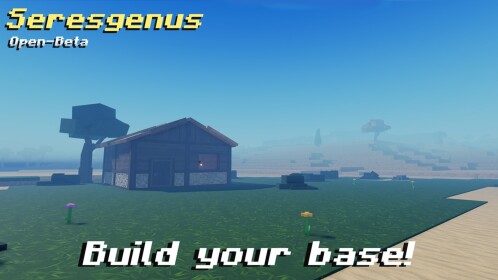
The three material types
SERESGENUS: EPHEMERALITY is built around runs through its worlds, and three material types move through that loop:
- Resources are gathered from the worlds you explore. They are your crafting and building stock — you spend them to craft weapons and gear and to build your base.
- Wisps are earned from the rewards of each run. Beyond run rewards, no other use for Wisps is described.
- Treasures are stored in the base you build, and that base is where you prepare for your next expedition.
Everything below hangs off those three buckets: where resources come from, what you spend them on, what a finished run pays out, and how the Ender Chest keeps loot alive between runs.
Where resources come from
The game spreads its materials across six unique worlds, each with its own enemies, resources, secrets and a powerful boss to defeat. In practice that means your shopping list changes with your destination — the resources you can pull out of a world depend on which world you are exploring. The worlds guide follows the route through all of them.
Terrain and enemies
Gathering starts the moment you enter a world, because resources come from both its enemies and its terrain. Near the start of a run on Verdant Isle, punching trees and bushes collects wood, plant fiber and seeds — the first materials of the run. Fighting feeds the same stockpile: in one early sequence, right after crafting a Stone Pickaxe, the player fought a stone-like enemy and picked up meat and experience from it. Not every material is picked up as-is, either — Rope is made through the HAND CRAFTING menu from the materials you have gathered. For the full gathering loop, see how to gather materials.
Resources you will see in a run
As a run stretches deeper into the adventure, the variety of materials grows quickly. The resources seen on screen while gathering and crafting during one full run included:
Wood, Stone, Steel Ingot, Rope, plant fiber, seeds, meat, Voidstone Ingot, Abyss Horn, Beast Bone, Beast Hide, Darkroot Wood, Elderwood, Elemental Residue and Khaen Form.
That list is one player's run, not a complete catalog of every material and where it drops. With each world carrying its own resources, the mix you meet depends on how far you push — so treat each new world name as a new shopping list.
What regional bosses drop
Bosses are a resource source of their own. Every world has a powerful boss to defeat, and each one fought in the run below dropped materials of its own:
Data table
- World
- Verdant Isle
- Regional boss
- Vatranaon
- Shown drops
- Vatranaon Heartplate
- World
- Frost Veil
- Regional boss
- Cryost, Warden of Rime
- Shown drops
- Frost Heart and Elemental Residue
- World
- Aridune
- Regional boss
- Khleorn, The Mobile Castor
- Shown drops
- Dune Heart and Beast Bone
- World
- Elder Forest
- Regional boss
- The Firstborn Wyrm
- Shown drops
- Elder Heart and Guardian Heartwood
- World
- Vulkaris
- Regional boss
- Vulkaris, The Living Volcano
- Shown drops
- Magma Heart
These are the drops shown for the five regional bosses fought in one player's run. Several of them are Heart items, which are covered separately in the hearts guide; for how to win the fights themselves, see the bosses guide.
What resources are used for
Crafting is the main sink for everything you gather. You craft weapons and gear from the resources you collect, and the crafting table decides how far that crafting can go:
- Upgrading the crafting table from I to II shows a cost of 50 Wood, 20 Stone, 10 Steel Ingot and 5 Rope — basic materials feed progression directly.
- Higher tiers expose better recipes: at tier III, the table lists Steel tools and weapons — Steel Axe, Steel Pickaxe and Steel Shovel — plus armor entries such as Graben Greaves.
- A tier III table is also where the ENDER CHEST is crafted, using Voidstone Ingot and Abyss Horn — the item that carries gear between runs.
The recipes and the upgrade path are laid out step by step in the crafting guide.
Resources also build. Your own base is where treasures are stored and where you prepare for each next expedition, so the materials you gather feed that side of the loop too — how to build a base and base storage cover it in detail.
How loot survives between runs: the Ender Chest
The Ender Chest is the bridge between one run's haul and the next run's starting gear. The loop has three parts:
How the cycle works
Craft an Ender Chest during a run
On a tier III crafting table, the ENDER CHEST recipe takes Voidstone Ingot and Abyss Horn. Crafting one during a run is what lets you open what you have stored.
Retrieve your cross-run gear
Gear sent home from earlier runs can be taken back out of the chest during the run.
Bank loot at the completion screen
When the run ends, the STORE IN YOUR ENDER CHEST panel lets you click a stack to send it to the chest for a later run — click the same stack again to take it back.
Anything you bank here waits for your next run, where you craft an Ender Chest again to open it.
One completed run gives a feel for what ends up banked: the panel listed stored stacks including Voidstone, Voidstone Horn, Voidstone Axe, Beast Bone, Beast Hide, Carnage Plate, Coal, Darkroot Wood, Elderwood and Khaen Form, with the counter reading Stored 4 - 22 slots free.
Run rewards
A finished run pays out on a completion screen. When the run ends with Acedia defeated and all six worlds opened, the screen shows WHO, FATE, LEVEL, KILLS and MASTERY — one completed run displayed the fate Made it home, level 30, 182 kills and MASTERY +2648. The screen presents those values for your run; it does not break down how each number is calculated.
Wisps are the standing part of that payout. They are earned from the rewards of each run, and the Wisp Boost game pass increases the Wisps from every run's rewards — beyond run rewards, no other use for Wisps is described. The wisps guide and the Wisp Boost game pass pages go deeper on both.
One reported condition affects the payout: party size. One tips list advises keeping parties to four players or fewer, because runs with more than four players reportedly earn no rewards — worth settling before you invite a fifth player on the expedition. For the full payout picture, see run rewards, and for the route that fills that completion screen, see how to win a run.
Related Guides
How to Gather Materials
Where to gather each material efficiently and which tools make gathering faster.
Wisps Guide: Sources and Rewards
Where Wisps come from and which choices raise your run rewards the most.
Run Rewards: Results Screen and Loot
What the results screen pays out after a run and which rewards you actually keep.
Crafting Guide: Tools, Weapons and Gear
Where to access crafting and how to craft tools, weapons and gear for your runs.